Feeling connected to other people is an important part of living a happy and fulfilling life. However, many people living with disability experience social isolation due to barriers such as limited mobility, communication difficulties, lack of accessible transport, anxiety in social situations, or challenges accessing suitable activities.
Social isolation can make everyday life feel smaller and more difficult. When opportunities to meet others, participate in activities, and build relationships are limited, a person may feel disconnected from their local community. This is where NDIS community participation can make a meaningful difference.
The right support can help NDIS participants get out into their community, take part in activities they enjoy, develop social skills, and create meaningful connections. Whether the goal is to join a local social group, attend a class, visit community events, or simply spend more time doing enjoyable activities with others, community participation can open the door to a more connected life.
At Hands for Community, we understand that community participation is not simply about going out. It is about creating opportunities for people to feel included, valued, and connected while working towards greater confidence and independence.
What Is Social Isolation?
Social isolation happens when a person has limited contact with other people or feels disconnected from meaningful social relationships. It can affect anyone, but people living with disability may face additional barriers that make regular social interaction more difficult.
For some people, getting involved in the community may require support with:
- Transport to and from activities
- Building confidence in unfamiliar places
- Communicating with others
- Understanding social situations
- Managing anxiety
- Choosing suitable activities
- Developing the skills needed to participate independently
Over time, these barriers can make it easier to stay at home and avoid social situations. While home can feel safe and comfortable, spending long periods without meaningful interaction may lead to a stronger feeling of loneliness and disconnection.
Social and community participation is important because it can help people feel included and connected, build friendships and social networks, develop confidence and improve their ability to participate in everyday community life. The NDIS also recognises that community participation can support independence and help people pursue activities that are meaningful to them.
Understanding NDIS Community Participation
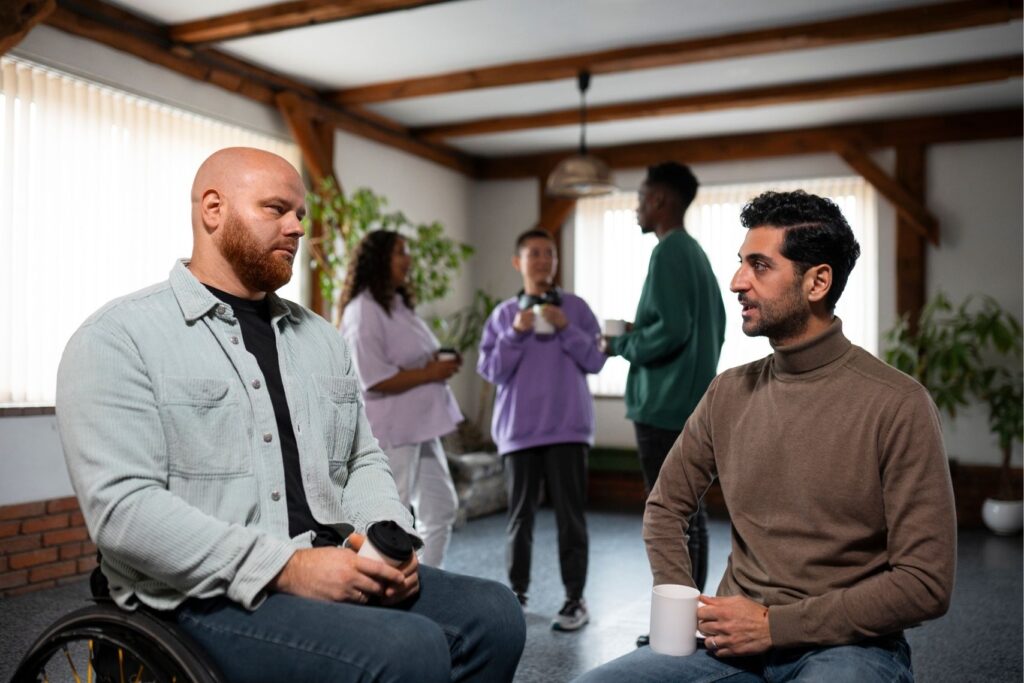
NDIS community participation refers to support that helps eligible participants become more involved in social, recreational, and community activities.
The experience can look different for every individual. Community participation may involve:
- Joining a social group
- Visiting the local library
- Attending a movie or concert
- Participating in arts and crafts
- Joining a sporting club
- Taking part in community events
- Attending personal development courses
- Going on outings
- Exploring new hobbies
- Participating in group activities
- Developing skills for greater independence
The NDIS describes social and community participation as meeting people with similar interests and taking part in activities that people enjoy. Research undertaken for the NDIS has also found that participation can support a sense of belonging and connection, deepen relationships, and help reduce isolation.
The most important part is that participation should be meaningful to the person. Someone who enjoys music may benefit from attending music programs, while another person may prefer sports, volunteering, art, or simply meeting others in a relaxed social environment.
1. Creates More Opportunities for Social Connection
One of the biggest ways NDIS community participation can reduce social isolation is by creating regular opportunities to be around other people.
For someone who spends most of their time alone, even a simple weekly activity can provide a valuable opportunity for connection. Attending a group activity, community event, or hobby class may introduce a participant to people with similar interests.
Repeated participation can also make social interaction feel more natural. Seeing familiar faces over time can help turn casual conversations into genuine connections.
This does not mean that every person needs a large group of friends. Even one meaningful friendship or a regular connection with a community group can help a person feel less isolated.
The goal is not simply to fill a calendar with activities. It is to help participants find places and opportunities where they feel comfortable and welcome.
2. Helps Build Meaningful Friendships
Making friends can be challenging, particularly for someone who has limited opportunities to meet new people.
NDIS community participation can help participants enter environments where friendships can develop naturally. Shared activities often make it easier to start conversations because people already have something in common.
For example, a participant attending an art class may meet others who enjoy creative activities. Someone joining a walking group may develop connections with people who share an interest in being outdoors.
Support workers can also provide assistance when needed. This may include helping a participant:
- Feel comfortable when meeting new people
- Start conversations
- Communicate their interests and preferences
- Understand social situations
- Participate in group discussions
- Build confidence over time
The aim is not for the support worker to take over social interactions. The support should encourage the participant to develop their own relationships and confidence at a pace that feels right for them.
3. Builds Confidence in Social Situations
Social isolation and low confidence can sometimes create a difficult cycle.
A person may avoid social activities because they do not feel confident. The fewer opportunities they have to practise social interaction, the harder it may feel to participate in the future.
Community participation can help break this cycle.
A participant might begin with a short activity alongside a support worker. As they become more comfortable, they may gradually take on a more active role. Over time, they may feel more confident travelling to activities, speaking with others, and making decisions about how they want to participate.
Confidence does not always develop quickly. Some people may need time to adjust to unfamiliar environments. Having the right support can make these experiences feel safer and more manageable.
The NDIS notes that participation can help people build confidence, improve their ability to participate with peers, and develop skills that support greater independence.
4. Encourages People to Try New Activities
Isolation can sometimes limit a person’s experiences. When someone feels unsure about going to new places or trying unfamiliar activities, they may continue following the same routine every day.
Through NDIS community participation, participants can explore activities that match their interests while also trying something new.
This could include:
- Creative workshops
- Music programs
- Sports and recreational activities
- Local events
- Volunteering opportunities
- Educational programs
- Outdoor activities
- Social groups
Trying something new can be an important step towards discovering new interests. A participant may not know they enjoy a particular activity until they have the opportunity to experience it.
Research referenced by the NDIS suggests that activities a person enjoys and relationships where they feel valued can provide meaningful benefits for social and community participation.
Finding an enjoyable activity can also create a sense of purpose. Instead of participating only because someone else thinks they should, the person has something to look forward to.
5. Supports Greater Independence
Reducing social isolation is not only about having more social contact. It is also about having greater freedom to participate in life.
Some participants may initially need significant support to access the community. However, community participation can also provide opportunities to build practical skills that support greater independence.
These may include:
- Using public transport
- Planning an outing
- Managing money during community activities
- Communicating with others
- Making decisions
- Navigating unfamiliar environments
- Building confidence in public places
As skills develop, participants may feel more comfortable doing things independently or with less support.
Greater independence can create more opportunities for connection. For example, someone who learns how to travel confidently may find it easier to meet friends, attend a community program, or visit a local activity independently.
6. Provides a Sense of Belonging
Everyone wants to feel that they belong somewhere.
Belonging can come from being recognised at a local café, seeing familiar people at a weekly activity, or being part of a group where your presence matters.
For many people living with disability, social isolation may be linked to feeling excluded or different. Inclusive community activities can help create spaces where participants feel respected and accepted.
Community participation allows people to become active members of their local community rather than simply watching life happen around them.
The NDIS has identified belonging, connection, and inclusion as important outcomes of social and community activities.
When participants feel connected to people and places around them, they may develop a stronger sense of identity and purpose.
7. Supports Emotional Wellbeing
Human connection plays an important role in emotional well-being.
Having someone to talk to, activities to enjoy, and places where you feel comfortable can make everyday life more positive. While community participation is not a replacement for professional health or mental health support where needed, it can form an important part of a connected and fulfilling lifestyle.
Regular social interaction may help participants:
- Feel less alone
- Develop positive routines
- Look forward to activities
- Build confidence
- Experience a sense of achievement
- Feel more connected to their community
Sometimes, the biggest change begins with a small step. Attending one activity may lead to meeting a new person. That connection may lead to another activity, a new friendship, or greater confidence.
Over time, these small experiences can create a stronger and more connected life.
Choosing the Right Community Activities
Not every activity will suit every person.
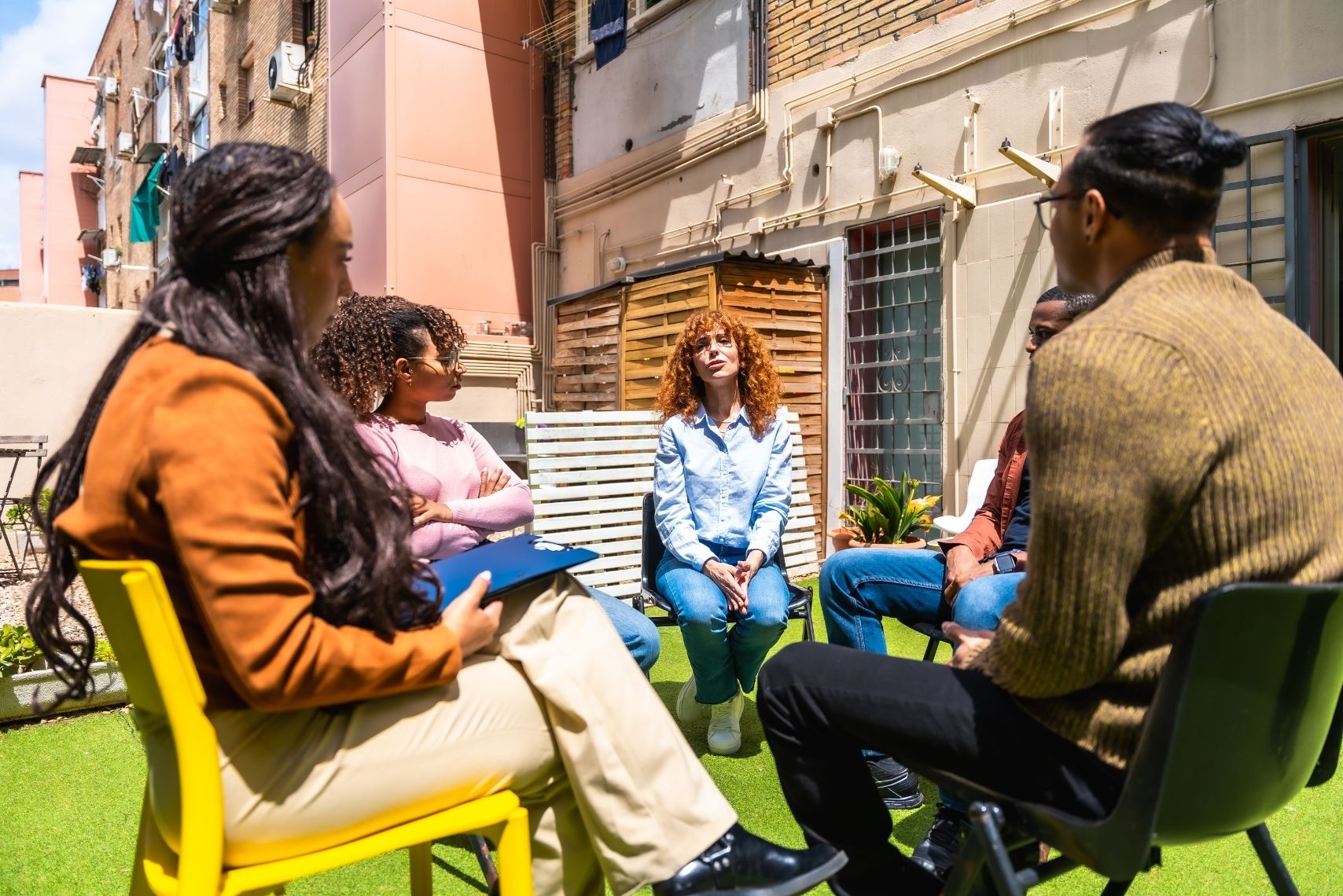
The best NDIS community participation experiences are based on the participant’s own interests, preferences, goals, and support needs.
Before choosing an activity, it can be helpful to consider:
What Does the Participant Enjoy?
Interests should be the starting point. Someone who enjoys animals may prefer an animal-related community activity, while someone interested in creativity may enjoy art or music.
What Are Their Social Goals?
Some participants may want to make friends, while others may want to feel more comfortable in public or become more independent.
What Level of Support Is Needed?
A person may initially require one-to-one support and gradually become more confident over time.
Is the Environment Suitable?
The activity should be accessible, inclusive, and appropriate for the participant’s needs.
Does the Participant Feel Comfortable?
The participant should have choice and control over the activities they attend. Participation works best when the person feels involved in making decisions about their own life.
The NDIS encourages people to consider what they enjoy, their goals, and the supports they may need when preparing for social and community participation.
How Hands for Community Can Support You
At Hands for Community, we believe that meaningful participation starts with understanding the individual.
Our NDIS community participation support is focused on helping participants become more active and connected within their community. We can support participants as they work towards their social and community goals, whether that involves joining a group, attending an event, exploring a new hobby or developing the confidence to participate in everyday activities.
Our community participation support can help participants take part in activities such as:
- Joining social groups
- Attending personal development programs
- Going on community outings
- Visiting local libraries
- Seeing a movie or concert
- Attending community events
- Joining sporting or recreational activities
We understand that building confidence and connections can take time. Our approach is to provide the right level of support while encouraging participants to make choices, build skills, and develop greater independence.
Final Thoughts
Social isolation can affect a person’s confidence, well-being, and quality of life. However, the right opportunities and support can help people take meaningful steps towards greater connection.
NDIS community participation gives eligible participants opportunities to meet people, try new activities, develop confidence, and build stronger connections with their community. From joining a social group to attending an activity that matches a personal interest, each experience can help reduce isolation and create a greater sense of belonging.
At Hands for Community, we are committed to supporting participants to become active members of their community in ways that feel meaningful to them. Whether your goal is to build friendships, develop new skills, or simply get out and enjoy more of what your local community has to offer, the right support can help make that journey possible.